Blood sugar creeping up is one of the things my clients over 60 mention most, usually after a routine checkup or a blood test at the doctor’s office. Nearly all of them have been told to walk more, and I never argue with that advice. But the muscles they already have can do far more of the work of clearing sugar from the blood than most of them think.
I’ve been a personal trainer for almost 40 years, and for almost 30 I’ve been director of TRAINFITNESS, the UK’s leading provider of in-person and online personal training courses. These five exercises can help you bring down your blood sugar after meals at home, with a dining chair, a kitchen counter and two grocery bags. Nothing needs a gym, and nothing takes more than a few minutes at a time.
The pattern I see most is a big rise after meals, especially the evening meal. Someone eats dinner, then sits in front of the TV for two or three hours, and the reading on their meter shows it. That long sit right after a big meal is half the problem.
Plenty come to me after a prediabetes diagnosis from a checkup. Most of them have also been losing muscle for years without realizing it, because nothing in daily life tells you it’s happening. And quite a few mention that heavy, sluggish feeling an hour after eating.
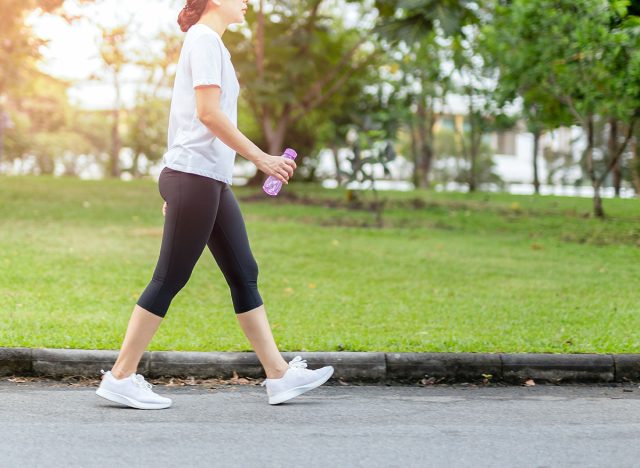
I tell all of them to keep walking, because a walk after a meal genuinely helps. The trouble is what a daily walk usually looks like after 60:
A walk also does nothing for the muscles of the upper body, and nothing to stop the thighs from shrinking. I see clients who walk for 40 minutes every morning before breakfast and still have high readings after dinner. Their legs can handle a slow walk with ease, so they’re not being asked to do much.
When a muscle works, it pulls sugar out of the blood to burn as fuel. A contracting muscle can also take sugar in without much help from insulin, which matters when insulin isn’t doing its job properly. On top of that, muscle is the body’s biggest storage space for the sugar that arrives from a meal.
So the size of the effect comes down to how much muscle you put to work, and how hard. A gentle stroll uses the legs at a low effort. Strength exercises call on more muscle, at a higher effort, in a short space of time, so the amount of sugar taken out of the blood in the minutes after a meal can be bigger than with a stroll.