t 13, 2026, 2:30 PM EDT Bryan Wolfe has spent 15+ years writing about the tech people actually use — and occasionally the tech they probably shouldn't. With bylines at Yahoo, MakeUseOf, TechRadar, and Digital Trends, he brings an MBA-sharpened perspective to consumer tech, AI tools, and digital productivity. He's based in State College, PA, where he also runs GoingSolo.Life, a solo travel brand for the independently minded. Sign in to your MakeUseOf account Add Us Like Like follow Follow followed Followed Thread Log in Here is a fact-based summary of the story contents: Try something different: Show me the facts Explain it like I’m 5 Give me a lighthearted recap I primarily own Apple devices. As such, I have an iPhone, iPad, Mac, and many other Cupertino devices. This list also includes an Apple TV. And yet, I can see the appeal of Roku streamers. In fact, I have a Roku Streaming Stick (primarily for testing) and find it excellent hardware.
Google has spent years getting Google TV onto more televisions, and in August 2026 it gave its free Freeplay service an on-demand library for the first time. Apple still sells the Apple TV 4K as the premium box for people who want the best picture and the tightest iPhone integration. Neither push has moved Roku off the top spot in American living rooms.
Roku passed 100 million streaming households worldwide in April. Parks Associates research released this spring puts Roku OS at 28% of TV operating system usage in US broadband homes, ahead of Samsung’s Tizen at 23%. Apple’s tvOS and Android TV rank lower, with smaller shares. A separate report Android Headlines covered in July put Roku at 37% of the US streaming OS market, with Google TV at 14% and tvOS at 8%.
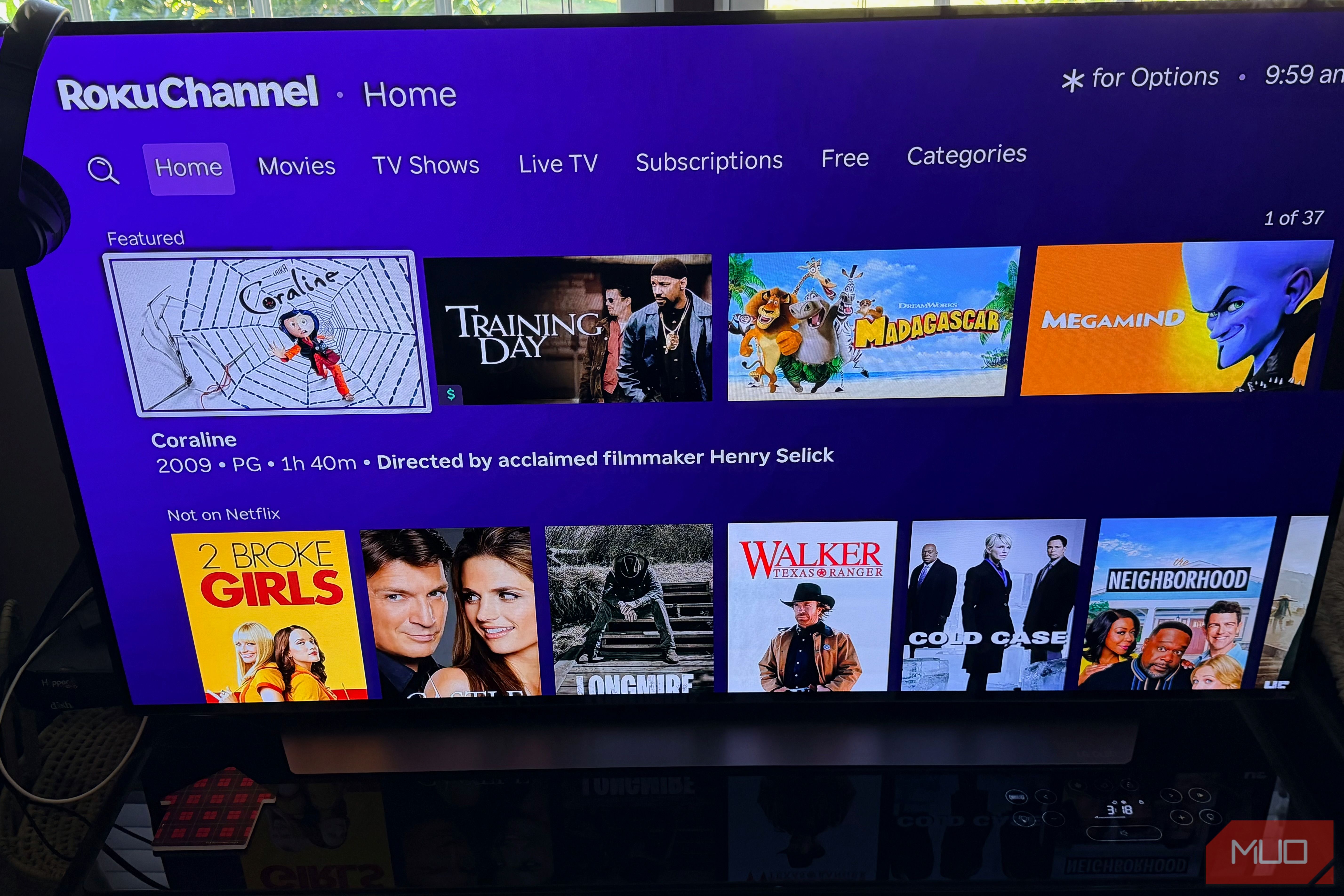
A tucked-away Roku app hosts over 500 live channels, local network affiliates, and a rotating on-demand film selection.
Oliver HaslamBryan M. Wolfe / MakeUseOfChristine Persaud / MUOCredit: Bryan M. Wolfe / MakeUseOfCredit: Bryan M. Wolfe / MakeUseOfCloseOliver HaslamBryan M. Wolfe / MakeUseOfChristine Persaud / MUOCredit: Bryan M. Wolfe / MakeUseOfCredit: Bryan M. Wolfe / MakeUseOf Memory chips got expensive this year, and every streaming hardware company passed the cost along. Apple went first. On June 25, the 64GB Apple TV 4K jumped from $129 to $199, and the 128GB model with Ethernet went from $149 to $249. Google moved the Google TV Streamer from $99.99 to $149.99 at the end of the summer.
Roku raised prices as well. In late July, the basic Streaming Stick went to $39.99, the Streaming Stick 4K to $79.99, and the Roku Ultra to $149.99.
Even after the increase, a Roku Streaming Stick 4K lists for $120 less than the cheapest Apple TV 4K. That stick handles Dolby Vision and HDR10+. For someone outfitting a guest room or replacing a dead stick on the bedroom TV, the price settles the question before features ever come up.
eaming platform. They buy a TV at Best Buy or Target, and whatever software it boots into becomes their platform for the next six years.
