Pankil is a Civil Engineer turned freelance writer from Ahmedabad, India. As a long-time Windows and Android user, he has extensive knowledge of both operating systems and specializes in creating how-tos and troubleshooting guides.
Pankil has been writing about Windows, Android, and iOS since 2021. He has written over 2000 articles across reputable publications like MakeUseOf, Android Authority, GuidingTech, and TechWiser.
Outside of his writing endeavors, Pankil is an avid football fan and loves to plan his international travels with his wife in his free time.
A smart TV seems like a harmless device for streaming content, but it’s easily the most invasive gadget in your living room. It logs all kinds of information about you and ships that data off to the manufacturer. Its ability to connect to the internet is what makes all of this ridiculously easy.
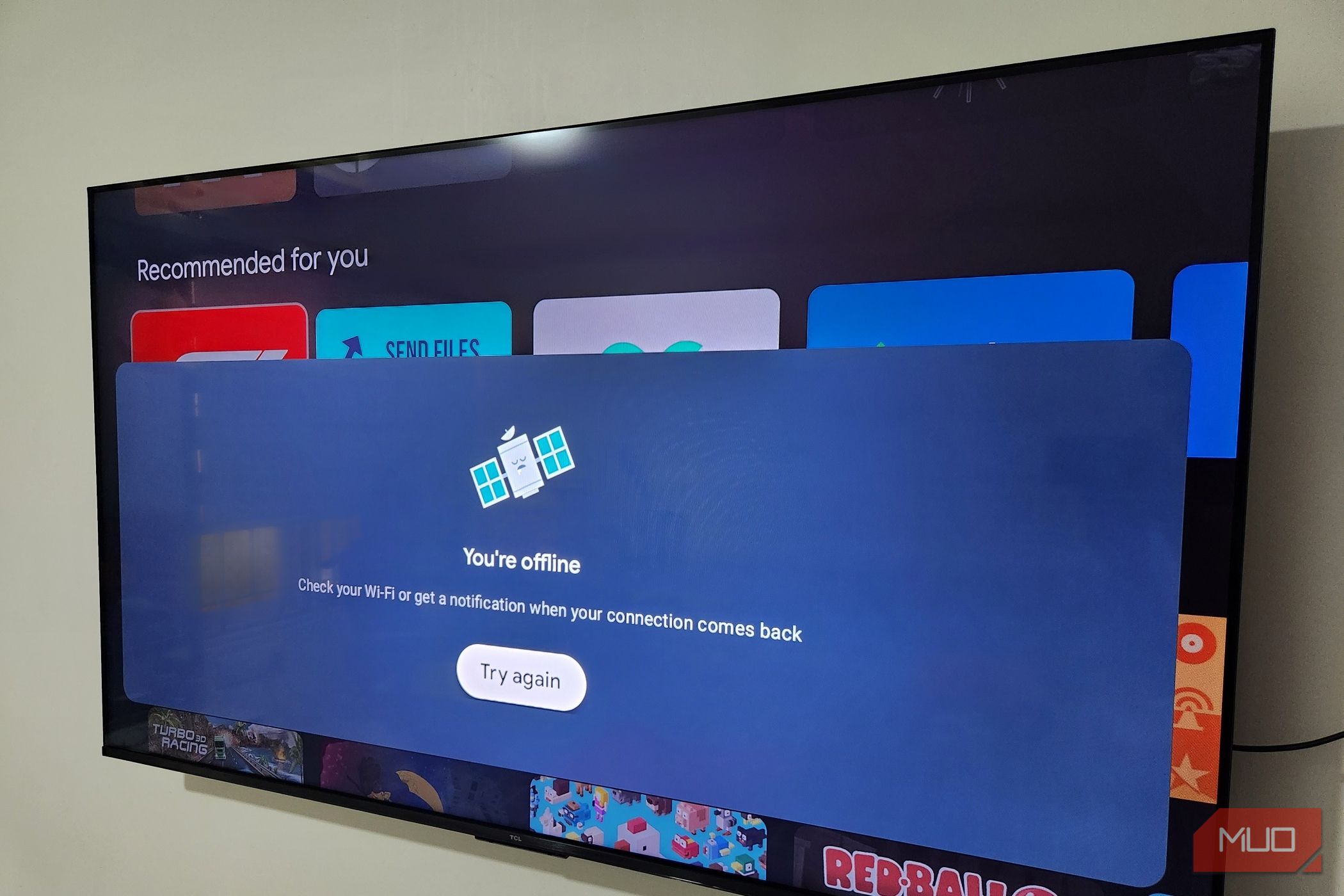
After realizing how this entire system works and reading several instances of TV manufacturers blamed of spying on users, I decided to disconnect my smart TV from the internet entirely. Spoiler: it didn’t make my TV useless.
Shimul Sood / MakeUseOf Smart TVs earn the “smart” label through their ability to connect to the internet. That’s what lets you stream movies and TV shows, watch YouTube videos, browse the web, and enjoy cloud gaming. Connectivity is the whole pitch. It’s also the catch.
That same connection also lets your TV log what you watch, which sites you visit, which games you play, and what apps you like. It’s all done through the built-in features like diagnostics, logs, and ACR. In fact, that’s essentially the business model for most TV manufacturers. TVs aren’t priced like hardware anymore — they’re priced like a loss-leader for whatever happens after the sale. LG, Samsung, Sony, Hisense, Vizio, Roku, and most other manufacturers make real money from the ads and the data they collect.
And it’s not like you can tweak a few privacy settings to be sure that your data stays safe. There’s no 100% certainty here. LG was recently accused of recording and logging conversations without consent. The company obviously denied it, but that’s not even the whole problem. A hacker could potentially hack the TV and use it as a listening device. And if your TV has a camera, that’s even worse. All of that can be easily avoided if the TV isn’t connected to the internet in the first place.
